


Trailer insurance protects the physical trailer, while cargo cover, also called goods-in-transit insurance, protects the freight it’s carrying. These are two separate policies with separate limits, and a single accident can trigger claims against both. Before you buy either, check your contracts, then look at whether on-demand cover can match your spend to how often the risk actually exists.
TL;DR:
- The trailer and cargo cover policies are separate, with different limits and conditions, so a single incident can result in two distinct claims.
- Standard policies often exclude coverage for trailer interchange, refrigerated trailer breakdowns, and trailers not listed on the schedule, which can cause denied claims if not properly endorsed.
- Precise documentation, such as VINs, cargo lists, and loss history, is essential to obtain accurate and faster insurance quotes, especially for high-value or cross-border operations.
- On-demand cover is suitable for fluctuating operations, allowing flexible adjustments to limits and coverage based on actual usage, saving costs during idle periods.
- Insurance coverage is not the same as contractual compliance; operators must verify endorsements and restrictions to ensure claims are valid during incidents.
Table of Contents
- Trailer vs cargo cover: what each policy actually insures
- When do you need both trailer and cargo cover?
- What endorsements and exclusions catch operators out?
- What do underwriters need to quote you accurately?
- How does on-demand cover change this decision?
- Which cover should you prioritise for your job type?
- Why “coverage” and “compliance” aren’t the same thing
- Getting a quote for Truck & Plant On-Demand™
- Sources
Trailer vs cargo cover: what each policy actually insures
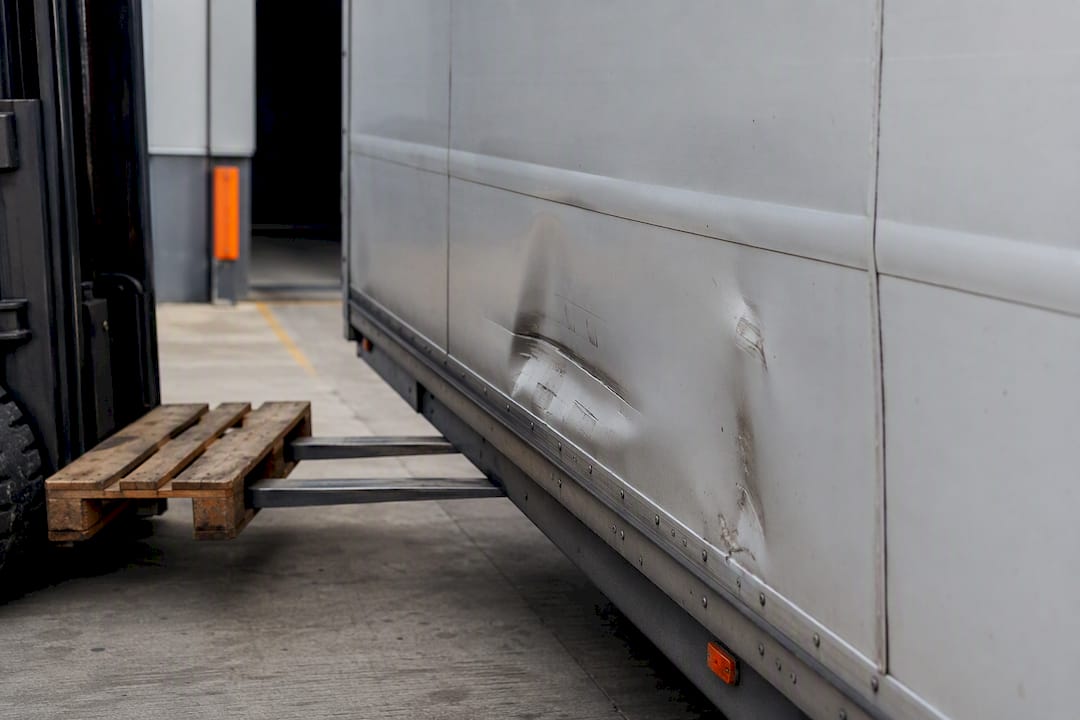
Trailer physical damage cover pays for repairs or replacement of the trailer itself. Think collision damage on the N3, a fire in the yard, theft overnight from a depot, or damage caused during loading by a forklift operator who misjudges a pallet. It answers one question: is the trailer okay?
Cargo cover, or goods-in-transit insurance, answers a different question entirely: what happens to the load if something goes wrong? A pallet of cement bags crushed in a rollover, tools stolen from an unattended trailer, or a consignment of electrical fittings damaged by water ingress, all sit under cargo cover, not trailer cover. Some policies write this on an all-risks basis. Others limit liability to specific named perils or cap the payout per item, which matters a great deal if you’re hauling anything above standard commodity value.
Commercial auto or truck liability cover is a third, distinct layer again. It handles injury and property damage claims against third parties, but it generally does not replace either of the covers above.
- Trailer physical damage: the structure, axles, and fittings of the trailer itself.
- Cargo / goods-in-transit: the commercial value of what’s loaded on it.
- Commercial auto liability: third-party injury and property claims, not your own trailer or freight.
The South African Insurance Association confirms these are typically written as separate policies, which means one incident, say a trailer flipping with a full load, can generate two distinct claims against two distinct limits. Miss that distinction when you’re setting up cover and you’ll find out the hard way at claim time.
When do you need both trailer and cargo cover?
Contracts usually decide this for you before risk appetite does. Shippers, brokers, and even equipment financiers often specify minimum cargo limits and proof of trailer cover before they’ll load you or release a lien. Ignore the wording and you can lose a tender, or worse, find yourself personally exposed when a claim gets declined for non-compliance.
- Check who owns the freight. Carriage-for-hire (you’re moving someone else’s goods) usually demands cargo cover with defined limits; hauling your own stock (owner-account) gives you more flexibility, though lenders may still require it.
- Flag high-value or specialised loads. Electronics, machinery parts, and refrigerated goods often exceed standard commodity limits and need endorsed cargo limits.
- Confirm subcontracting arrangements. If you’re subcontracting a load to another carrier, or running drop-and-hook with trailers that aren’t always yours, your contract terms will usually dictate whose cargo cover applies.
- Read the contract wording, not just the summary. Kinro’s commercial auto trailers coverage guide notes that limits, deductibles, and exclusions matter more than the headline premium; a cheap quote riddled with exclusions can leave you carrying the loss yourself.
What endorsements and exclusions catch operators out?
Standard policies rarely cover everything you’d assume they do, and the gaps tend to show up exactly when a claim is on the line.
- Trailer interchange: needed whenever you’re hauling a trailer you don’t own, common in drop-and-hook and subcontracted freight arrangements. Without it, damage to someone else’s trailer while it’s hitched to your tractor may not be covered.
- Scheduled trailers: most trailer policies only cover trailers listed by VIN on the schedule. Add a trailer to your fleet without updating the schedule and a claim on that unit can be declined outright.
- Reefer breakdown: refrigerated cargo is often excluded from standard cargo policies unless you’ve bought a specific breakdown endorsement. RMS Truck Insurance points out this gap leaves spoilage losses uninsured on plain vanilla policies.
- Unattended vehicle clauses: theft cover on cargo often has conditions attached, locked premises, alarm requirements, or exclusions for goods left in an unattended trailer overnight.
Pro Tip: Reefer breakdown cover typically costs far less than a single spoiled load of perishable freight. Treat it as a default add-on for any refrigerated route, not an optional extra.
What do underwriters need to quote you accurately?
Quoting delays almost always trace back to missing paperwork, not complicated risk. Have the following ready before you request a quote, and you’ll cut days off the process.
- Trailer VIN, gross weight, and declared value
- Ownership details (owned, financed, or leased)
- Tow vehicle schedule and how trailers pair with tractors
- Full driver list with license history
- Routes travelled, including cross-border legs
- Commodity list and declared cargo values
- Loss runs covering the last three to five years
- Existing contract wording that specifies minimum cover
Underwriters weigh some of these more heavily than others. Prior losses, high-value commodities, and long-distance or cross-border routes tend to move premiums the most, according to Kinro’s breakdown of underwriting drivers. A clean loss run and a properly declared commodity list are usually the fastest levers you have to bring a quote down.
Truckplant’s guide to trailer cover recommends preparing a full trailer, cargo, and driver schedule before requesting terms, since it materially speeds up certificate turnaround. Operators who show up with loss runs and a declarations page in hand typically get faster, more accurately priced terms than those who don’t.
How does on-demand cover change this decision?
On-demand cover doesn’t remove the need to separate trailer and cargo cover. It changes how much you pay for holding that cover when your risk isn’t constant. If your trailers sit idle for weeks between jobs, or your hire fleet only moves equipment on active contracts, paying a flat annual premium the whole year through wastes money on cover you’re not using.
On-demand insurance models are built around that gap. You choose what to insure, when to insure it, and adjust cover as your operations shift, rather than locking into a single fixed premium regardless of how much you’re actually running.
- Confirm certificate lead time before switching, especially if a contract requires proof of cover within a set window.
- Check whether you can adjust limits per job rather than per policy term.
- Have your documentation (VINs, cargo lists, driver records) ready at purchase, since on-demand platforms still need the same underwriting inputs as traditional cover.
Pro Tip: Seasonal fleets and plant hire businesses benefit most from on-demand structures, since utilisation swings hardest for them. Steady, always-on freight operations may still find scheduled annual cover more cost-effective.
On-demand availability currently varies by asset type. Trucks and engineering plant are well suited to this model, while trailer and goods-in-transit cover are, for some providers, still written on more traditional terms. Confirm exactly which elements of your risk the on-demand structure supports before switching entirely.
Which cover should you prioritise for your job type?
Match your operation to the list below before you request quotes, and you’ll avoid buying cover you don’t need or missing cover you do.
- Owner-driver with occasional loads: basic trailer physical damage plus cargo cover scoped to your typical commodity value; skip scheduled trailer endorsements if you run a single unit.
- Fleet running long-haul, high-value freight: both cargo/GIT and scheduled trailer physical damage are close to essential, with reefer breakdown added if any route carries perishables.
- Tool or plant hire moving customer equipment: inland marine or tools cover for the equipment itself, plus trailer physical damage on any trailer you own outright.
- Subcontracted or drop-and-hook operations: trailer interchange cover and a careful read of contract wording before you hitch up someone else’s trailer.
Why “coverage” and “compliance” aren’t the same thing
Most operators assume that having an insurance policy means they’re covered for whatever happens next. That assumption is where claims go wrong. A trailer policy with no cargo endorsement doesn’t protect the load. A cargo policy with an unattended vehicle exclusion won’t pay out on an overnight theft from an unmonitored yard. Compliance with a contract clause and actual financial protection are two different tests, and passing one doesn’t guarantee the other.
My honest read on this: the businesses that get burned aren’t usually the ones who skip insurance altogether. They’re the ones who bought something, assumed it covered everything, and never checked the endorsement schedule against how they actually operate. If you subcontract loads, get trailer interchange in writing. If you run refrigerated freight, price out reefer breakdown separately rather than assuming it’s bundled in. Keep your loss runs and commodity list current, because that paperwork is what turns a quote request from a week-long back-and-forth into a same-day turnaround. And if your trailer or plant usage genuinely fluctuates through the year, on-demand structures are worth pricing against a flat annual premium, because paying for idle risk twelve months a year rarely makes financial sense.
— Coert
Getting a quote for Truck & Plant On-Demand™
If your trailers, tools, or plant sit idle between contracts, paying a fixed annual premium the whole year through means funding cover you’re not using half the time. On-demand insurance solutions solve that directly: you decide what’s insured, switch cover on or off as jobs start and finish, and adjust limits without renegotiating an entire policy.
Before requesting terms, pull together your trailer VINs, cargo commodity list, driver records, typical routes, and any loss runs from the past few years. That paperwork is what separates a same-day quote from a week of back-and-forth with an underwriter. Fleet operators, hire businesses, and contractors juggling variable workloads can see exactly how the model fits their operation on the fleet insurance page, where you can check current cover options and get a quote started against your actual usage, not a guess at what next year might look like.
This article is general information, not a substitute for advice from a qualified financial advisor. Consult a qualified financial professional about your own circumstances before acting on anything here.